
Follow us:
Clients
Why Cloud Cost Control Has Become a Board-Level Priority
For CIOs and CFOs alike, cloud is no longer just an IT decision. It directly impacts operating margins, forecasting accuracy, compliance posture, and risk exposure.
In asset-heavy and regulated industries like oil and gas, cloud environments often grow organically – fast deployments, urgent workloads, and evolving compliance needs lead to rising and unpredictable cloud bills.
This case study highlights how a structured managed Azure cloud approach helped an oil rig operator regain financial and operational control – resulting in a 30% reduction in monthly cloud spending, without sacrificing performance or security.
Customer Profile
- Industry: Oil Rig / Energy Operations
- Cloud Platform: Microsoft Azure
- Engagement Model: Fully Managed Cloud Services
Challenges Before Managed Cloud Adoption
From a leadership perspective, the organization faced three core problems:
1. Escalating and Unpredictable Cloud Costs
Monthly Azure bills were increasing steadily due to:
- Over-provisioned compute and storage
- Resources running beyond actual operational demand
- Lack of continuous cost governance
This made budget forecasting difficult and cloud ROI harder to justify.
2. Compliance Pressure Without Clear Ownership
Meeting SOC compliance requirements demanded constant oversight, audits, and documentation – pulling internal teams away from core operational priorities.
3. Limited Visibility for Decision-Makers
Leadership lacked a single, clear view of where money was being spent, and which workloads were delivering real business value.
The Managed Cloud Approach
The organization partnered with SoftSys Hosting to implement a managed Azure cloud services model focused on financial efficiency, governance, and operational reliability.
Key focus areas included:
- Continuous cost optimization aligned with real usage
- Proactive resource rightsizing
- Policy-driven governance and compliance monitoring
- Ongoing reporting designed for executive visibility
Learn more about our approach here:
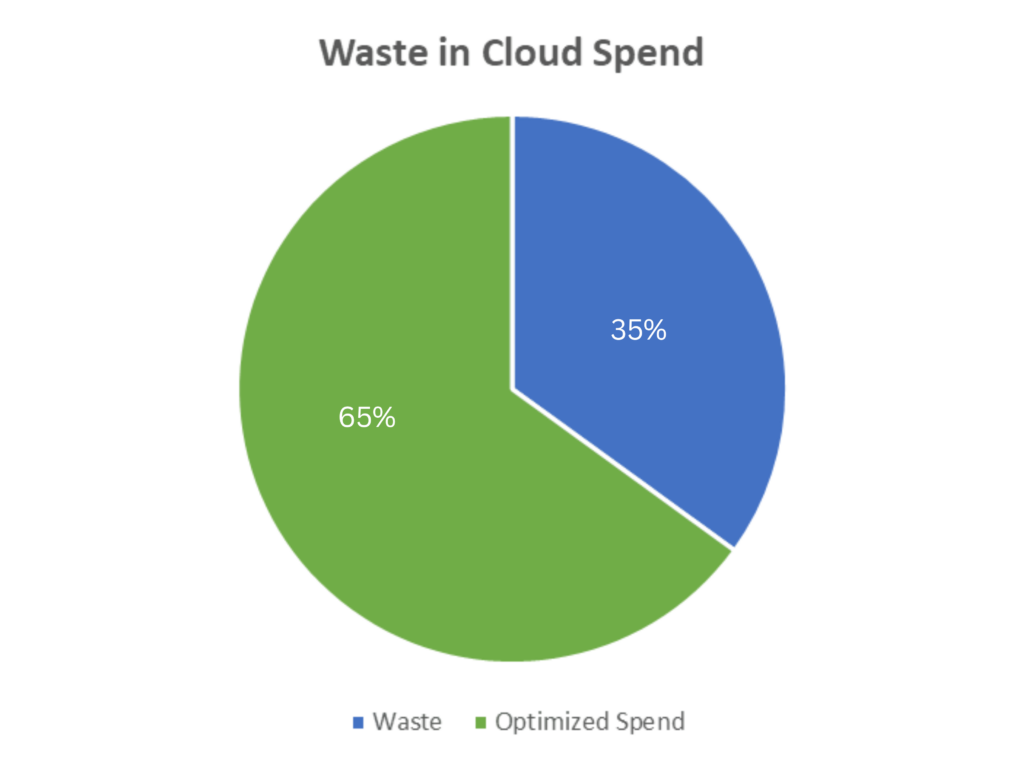
What changed:
- Elimination of waste from underutilized resources
- Better alignment between compute, storage, and actual workloads
- Spending shifted from excess capacity to optimized performance
Business Outcomes for CIOs and CFOs
The results went beyond cost savings.
Financial Impact
- 30% reduction in monthly cloud billing
- Lower annual operating expenses
- Predictable, forecastable cloud budgets
Operational Impact
- Optimized Azure resources aligned with real demand
- Reduced internal effort spent on firefighting and audits
- Stronger compliance posture with continuous monitoring
Leadership Confidence
- Clear visibility into cloud spend and ROI
- Improved governance without increasing headcount
- Confidence that cloud costs are controlled, not reactive
Executive Perspective
The cost reduction was immediate and measurable. More importantly, leadership gained confidence that our cloud environment was optimized, governed, and compliant without adding operational overhead.
Why This Matters for 2026 Cloud Planning
For CIOs and CFOs planning cloud strategy in 2026, the takeaway is simple:
- Cloud cost overruns are not a technology problem
- They are a governance and operating model problem
A managed cloud strategy converts cloud from an unpredictable cost center into a controlled, optimized business platform.

Final Thoughts
This case demonstrates that cloud optimization is not about cutting corners. It is about aligning spend with value, ensuring compliance by design, and enabling leadership to make confident, data-driven decisions.
If your organization is seeing rising Azure or AWS costs, now is the time to reassess how your cloud is being managed.
Explore how SoftSys Hosting Managed Cloud Services can deliver measurable savings and stronger governance.