
Follow us:
Clients

As businesses grow, their websites, applications, databases, and online services often require more resources than standard hosting can provide. When performance, security, and control become increasingly important, a dedicated server can provide the infrastructure needed to support demanding workloads.
However, having a dedicated server also means having a server that needs to be maintained, monitored, updated, and secured. For businesses without a dedicated technical team, managing all of these responsibilities internally can become time-consuming and difficult.
This is where managed dedicated servers can provide a practical advantage.
A managed dedicated server gives a business the exclusive resources of a physical server while allowing a hosting provider to handle important server management tasks. Instead of spending valuable time dealing with routine administration and technical problems, your team can focus on its applications, customers, and business operations.
What Are Managed Dedicated Servers?
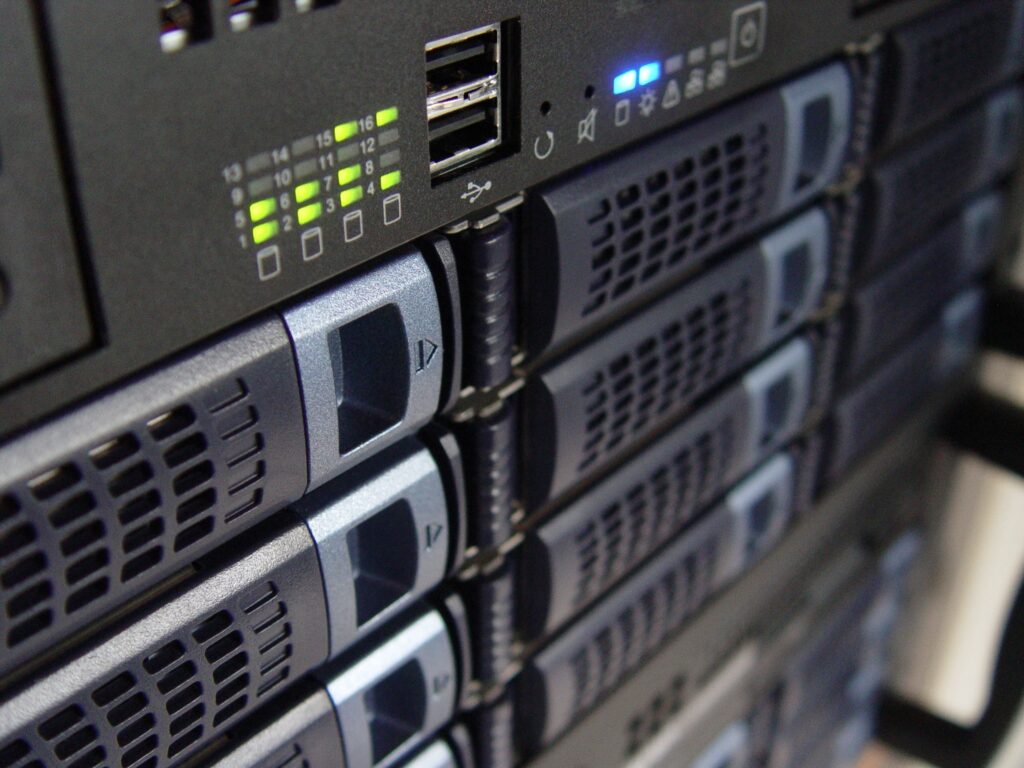
A dedicated server is a physical server reserved for one customer. Unlike shared hosting or many VPS environments, the server’s CPU, RAM, storage, and other hardware resources are not shared with unrelated customers.
The difference with a managed dedicated server is the level of assistance provided by the hosting company.
With a managed service, the provider can take responsibility for tasks such as server monitoring, operating system updates, security maintenance, troubleshooting, and other administrative work included in the service.
This makes managed hosting particularly useful for businesses that need dedicated infrastructure but do not want to manage every technical aspect of the server themselves.
The Main Benefits of Managed Dedicated Servers
1. Dedicated Resources for Better Performance
One of the biggest benefits of dedicated server hosting is having physical resources reserved exclusively for your business.
Your CPU, RAM, storage, and other server resources are not being used by other customers. This can provide more predictable performance for websites and applications that require significant processing power or memory.
For example, an online store with thousands of products and frequent customer activity may need more resources than a basic website. A business application may also require consistent processing power to serve employees and customers throughout the day.
With a dedicated server, your infrastructure can be configured around the requirements of your workload instead of sharing resources with unrelated websites.
2. Professional Server Management
Owning or renting a dedicated server does not eliminate the work required to keep it running properly.
Servers need regular maintenance. Operating systems require updates, security vulnerabilities need to be addressed, storage needs to be monitored, and unusual resource usage may need to be investigated.
For a business without an experienced system administrator, these tasks can quickly become a burden.
A managed dedicated server provides professional assistance with many of these responsibilities. Your hosting provider can monitor the server and help handle routine administrative tasks, depending on the management services included in your plan.
This allows your internal team to spend less time maintaining infrastructure and more time working on business priorities.
3. Stronger Security Management
Security is one of the most important considerations when operating a business server.
A dedicated server gives you greater control over the operating system, installed software, user accounts, firewall configuration, and access permissions. However, that control also means the server needs to be properly maintained.
Security updates, access controls, monitoring, malware protection, firewall rules, and secure configurations all contribute to a safer hosting environment.
With a fully managed dedicated server, the hosting provider can assist with many of these responsibilities. This can be especially valuable for businesses that do not have a security or server administration team available around the clock.
Managed hosting does not eliminate security risks, but it can provide an additional layer of professional management to help keep the server properly maintained.
4. More Time for Your Business and IT Team
Managing infrastructure takes time.
Even when everything is working correctly, someone needs to monitor the server, review alerts, install updates, investigate resource usage, and handle maintenance.
If your IT employees are responsible for several areas of technology, server administration can take them away from projects that directly support the business.
One of the important managed dedicated server advantages is reducing this administrative workload.
Instead of requiring your team to handle every server-related task, you can rely on your hosting provider for the responsibilities covered by your managed service. This can make it easier for your employees to focus on applications, development, cybersecurity, customer service, and other important areas.
5. Faster Troubleshooting When Problems Occur
Technical problems can happen even when a server is properly maintained.
An application may suddenly consume excessive resources. A service may stop responding. A configuration change may cause an unexpected problem. Storage may begin showing signs of failure.
When these situations occur, having technical support available can make the difference between a short interruption and a prolonged problem.
With managed dedicated hosting, you have a provider that can investigate server-level issues and assist with troubleshooting. This is particularly useful when your internal team does not have extensive experience with server administration.
The goal is not simply to have someone available after something breaks. Good server management also involves monitoring the environment and identifying potential problems before they become serious.
6. Greater Control Than Shared Hosting
Shared hosting can be a good option for smaller websites, but businesses eventually may need more control over their environment.
A dedicated server provides much greater control over the operating system, software, server configuration, security settings, and resource allocation.
This can be important for businesses running custom applications, large databases, e-commerce platforms, development environments, or specialized software.
The business can choose the hardware specifications and configure the server around its specific workload.
This combination of control and exclusive resources is one of the major benefits of dedicated server hosting.
7. Easier Resource Planning
When your business shares hosting resources with other customers, it can be harder to predict how the environment will perform as traffic changes.
A dedicated server gives you a clearer picture of the resources available to your applications.
You can monitor CPU usage, memory consumption, storage capacity, and network activity and determine when additional resources may be needed.
For example, if an online store regularly experiences higher traffic during holiday sales, the business can plan its infrastructure around those periods rather than waiting until performance becomes a problem.
This makes dedicated hosting useful for businesses that need predictable infrastructure for important applications.
8. Support for Business Growth
Your hosting requirements may change as your business grows.
A website that initially required modest resources may eventually need more RAM, faster storage, additional processing power, or improved database performance.
A dedicated server provides a strong foundation for this growth because the hardware can be selected according to the business’s current and expected requirements.
Your hosting provider can also help review resource usage and determine whether a hardware upgrade or configuration change is appropriate.
This makes managed dedicated hosting a practical choice for businesses that want infrastructure capable of supporting long-term growth.
Who Can Benefit From Managed Dedicated Servers?
Managed dedicated servers can be particularly useful for businesses that need more resources and control than shared hosting or entry-level VPS solutions can provide but do not want to take full responsibility for server administration.
For example, they can be suitable for:
● High-traffic websites
● E-commerce businesses
● Business applications
● Large databases
● Software and development environments
● Agencies managing demanding client websites
● Companies handling resource-intensive workloads
● Organizations that require dedicated infrastructure but have limited IT staff
The right solution depends on the application’s resource requirements, expected traffic, security needs, and level of technical support required.
Managed vs. Unmanaged Dedicated Servers
The main difference between managed and unmanaged dedicated servers is who handles the server administration.
With an unmanaged dedicated server, the customer generally takes responsibility for server configuration, operating system maintenance, updates, security, troubleshooting, and other administrative tasks.
With managed hosting, the provider takes responsibility for the management services included in the plan.
An unmanaged server may make sense for a company with experienced system administrators who want complete responsibility for their infrastructure. A managed server is often more practical for businesses that want dedicated resources without having to maintain the server entirely on their own.
Before purchasing a plan, always check exactly what the provider considers “managed.” The services included can vary between hosting companies.
How to Choose the Right Managed Dedicated Server
Choosing a dedicated server should start with your business requirements rather than simply selecting the server with the largest specifications.
Consider the amount of RAM your applications require, the number of CPU cores needed, storage capacity, storage type, bandwidth requirements, operating system, backup needs, and expected traffic.
You should also review the management services included with the plan.
Ask whether the provider offers server monitoring, operating system updates, security management, backup options, troubleshooting assistance, and technical support. It is also useful to understand whether support is available 24/7 and how urgent server issues are handled.
If you are looking for a provider that can manage your dedicated infrastructure, you can learn more about managed dedicated server hosting and the management options available from SoftSys Hosting.
Why Managed Dedicated Hosting Can Be a Smart Investment
The biggest advantage of managed dedicated hosting is not simply having a powerful physical server. It is having that infrastructure supported by professional management.
A dedicated server can provide exclusive resources, greater control, predictable performance, and flexibility. Managed services add ongoing administration, monitoring, maintenance, and technical assistance to help keep the environment operating properly.
For businesses without a large internal IT department, this combination can be especially valuable.
Instead of spending hours dealing with server maintenance or trying to troubleshoot infrastructure problems alone, your team can focus on the work that matters most to the business.
Get More From Your Dedicated Server
Choosing the right hosting environment can have a direct impact on your website performance, application reliability, security, and day-to-day operations. If your business has outgrown shared hosting and needs dedicated resources but does not want the responsibility of managing every server task internally, managed dedicated hosting can be a strong option.
The right provider should give you more than hardware. You should have reliable infrastructure, appropriate security practices, proactive monitoring, technical support, and management that matches your business requirements.
Ready to take control of your hosting without taking on all the server management yourself? Contact SoftSys Hosting today to discuss your requirements and find a managed dedicated server solution built around your business. Give your applications the dedicated resources they need while letting experienced professionals handle the server management behind them.